
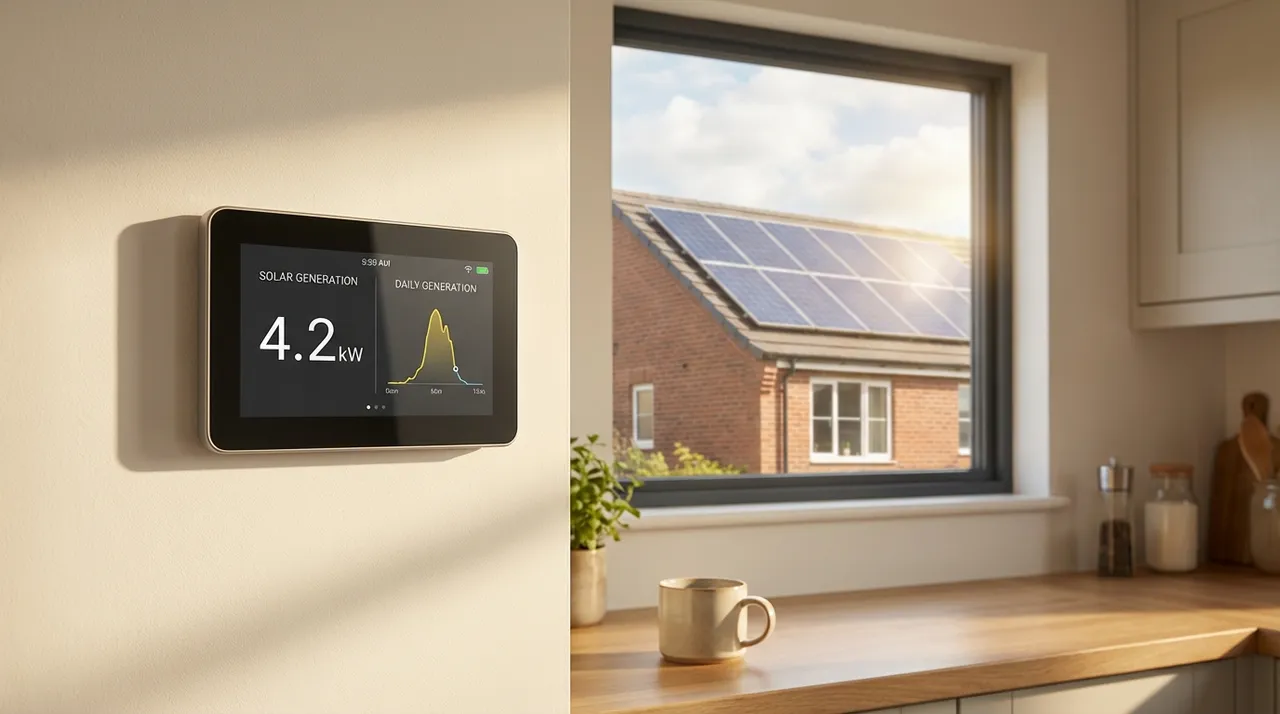
How Much Electricity Does a 4kW Solar System Produce? (UK Guide 2026)
A 4kW solar panel system is one of the most common residential solar setups in the UK. It offers a good balance between roof space requirements and solar panel output, producing enough electricity to significantly reduce energy bills while fitting comfortably on most homes.
If you're wondering how much electricity does a 4kW solar system produce, this guide explains:
- How much electricity solar panels generate
- How many solar panels make up a 4kW system
- Typical energy production in the UK
- Potential energy savings and export income
- How to maximise your solar power output
For many households facing rising energy bills, installing solar panels is a practical step toward renewable energy, lower electricity costs, and a cleaner energy future.
How Much Electricity Does a 4kW Solar System Produce?
A 4kW solar system in the UK typically produces between 3,400 and 4,200 kWh of electricity per year under real conditions.
Exactly how much electricity a 4kW solar system produces depends on:
- Roof orientation
- Roof angle
- Local solar irradiance
- Amount of direct sunlight
- Panel efficiency
- Shading
- Location and sunlight hours
For context, the average UK home has annual electricity consumption of around 3,500 kWh. This means a well-installed 4kW solar system can generate enough energy to cover a large portion of a household's annual electricity bills.
However, solar panels produce electricity during daylight hours. Without a solar battery or solar storage battery, homes will still draw electricity from the national grid during evenings or cloudy periods.
Typical rule of thumb
- Southern UK: 850-1,050 kWh per kWp
- Northern UK: 700-850 kWh per kWp
This means a 4kW solar system produces roughly 3,400-4,200 kWh per year depending on location and solar irradiance.
Solar Panel Output by Region
The energy produced by solar panels varies across the UK because solar irradiance and sunlight hours differ by region.
| Region | Annual output (4kW solar) | Estimated savings |
| South Coast (Hampshire) | 3,800-4,200 kWh | £760-£840 |
| South East / London | 3,500-3,900 kWh | £700-£780 |
| Midlands | 3,200-3,600 kWh | £640-£720 |
| North England | 2,900-3,300 kWh | £580-£660 |
| Scotland | 2,600-3,000 kWh | £520-£600 |
Solar Panel Output by Month
Solar panels generate electricity throughout the year, although energy production is highest between April and September.
| Month | Output | Daily average |
| January | 25-40 kWh | ~1 kWh |
| February | 40-60 kWh | ~1.5 kWh |
| March | 80-110 kWh | ~3 kWh |
| April | 110-140 kWh | ~4 kWh |
| May | 130-160 kWh | ~4.5 kWh |
| June | 140-175 kWh | ~5 kWh |
| July | 135-170 kWh | ~5 kWh |
| August | 120-155 kWh | ~4.5 kWh |
| September | 90-120 kWh | ~3.5 kWh |
| October | 55-80 kWh | ~2 kWh |
| November | 30-50 kWh | ~1.3 kWh |
| December | 20-35 kWh | ~0.9 kWh |
How Many Solar Panels Are in a 4kW System?
A common question is how many panels are needed for a 4kW solar panel system.
The answer depends on the wattage of the solar panels installed.
| Panel Wattage | Panels Needed | Roof Space |
| 250W | 16 panels | ~32 m² |
| 350W | 12 panels | ~22 m² |
| 400W | 10 panels | ~20 m² |
| 420W | 10 panels | ~20 m² |
In terms of how much space is needed, a typical solar panel installation requires around 20-25 m² of roof space.
Roof direction matters
A south facing roof produces the most electricity. East or west roofs produce slightly less energy, usually around 15-20% lower output.
How Much Money Can a 4kW Solar System Save?
A 4kW solar panel system helps households save money in two main ways:
- Reducing electricity bought from energy suppliers
- Exporting surplus energy to the grid
Electricity Bill Savings
Every kWh your solar panels generate is electricity you don't need to buy from the grid.
At current electricity prices of 24-27p per kWh, a system generating 3,800 kWh annually with 50% self-consumption can reduce annual electricity bills by roughly:
£460-£510 per year
Adding a solar battery or solar storage battery allows you to store excess energy and use it later, increasing self-consumption and boosting energy savings.
Exporting Surplus Energy
When your solar panels produce more electricity than your home uses, the excess power can be exported to the national grid.
Under the Smart Export Guarantee (SEG), energy suppliers pay households for exported surplus energy; understanding how the SEG scheme works and how to apply can help you maximise these payments.
Typical export tariffs for selling electricity back to the grid range from 5p to 20p per kWh. The highest SEG rates are limited and conditional. They are often only available when you buy your solar system from that supplier, while most widely-available SEG rates sit at the lower end. Rates vary by supplier and change over time.
For a 4kW system exporting 1,500-2,000 kWh annually, that could generate:
£225-£300 per year in export income
Benefits of a 4kW Solar Panel System
Installing solar panels offers a range of benefits beyond just lower bills.
- Reduced energy bills and protection from rising energy prices
- Lower carbon footprint and reduced reliance on fossil fuels
- Income from exporting surplus energy
- Compatibility with electric vehicles and heat pumps
- Increased property value and better EPC ratings
- Long-term access to clean energy and sustainable energy
A 4kW solar system typically offsets around 900-1,100 kg of CO₂ per year, making it an effective step toward renewable energy adoption and the kind of solar and battery installations offered across Hampshire, Surrey and West Sussex.
How to Maximise Solar Panel Output
Several factors affect how much energy generated your solar system produces.
Installation factors
- Correct roof orientation and roof angle
- Avoiding shade
- Choosing efficient panels
- Installing a solar storage battery
- Ensuring the system is sized correctly
Daily usage
- Run appliances during daylight hours
- Monitor system performance
- Use smart tariffs
- Store excess energy for later use
These steps help households make the most of their solar journey and maximise energy production, especially when combined with a detailed solar calculation to maximise your power potential.
Is a 4kW Solar System Right for Your Home?
For many households, a 4kW solar system provides the best balance between installation costs, roof space, and energy generated, and you can explore in more detail whether a 4kW solar system is worth it in the UK.
With government incentives, falling solar panel installation costs, and continued rising energy bills, solar power remains one of the most effective ways for homeowners to save money and reduce their carbon footprint.
Want to know how much energy your roof could generate?
Use our Solar Savings Calculator to estimate your solar panel output and potential savings, or try our instant solar estimate tool for a fast personalised quote.
CRG Direct are MCS-certified specialists installing residential solar panels across Hampshire, Portsmouth, Southampton and the South East, offering a full range of solar installation services and battery systems.