
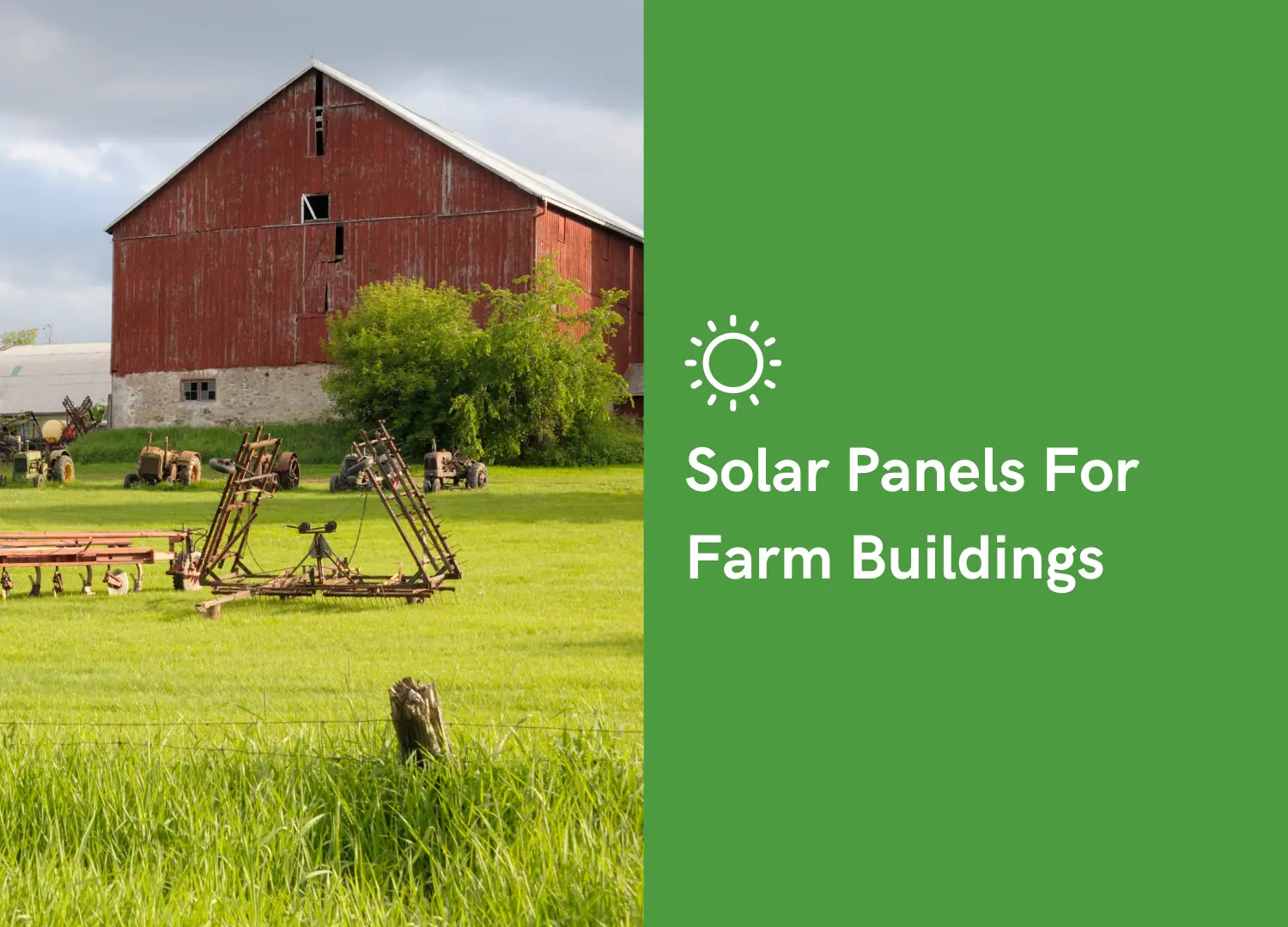
Farm energy bills have risen sharply over the past few years and most agricultural operations — dairy units, grain stores, chicken housing, refrigeration — run heaviest during daylight hours. That's exactly when solar panels generate most. A well-sized system can cover 60% or more of a farm's electricity costs, with a typical payback period of 4 to 7 years.
This post covers CRG Direct's recent installation on Bev's farm, the financial case for agricultural solar, and the grants currently available to UK farmers.
A Real Farm Installation: Bev's 24-Panel System
Before specifying a system, CRG Direct analysed Bev's energy consumption profile in detail. Most of his electricity costs fall during daylight hours, which makes solar a strong fit without necessarily requiring large battery capacity.
System installed:
- 24 x 425W Perlight crystalline panels (10.2kW total capacity), roof-mounted on the south-facing building for maximum generation
- 15.36kWh SunSynk battery storage for surplus energy, providing resilience during grid outages
- SunSynk 8kW hybrid inverter for efficient conversion and system management
- All equipment MCS-accredited
- Panels don't protrude more than 200mm from the roof surface
- The building is not listed
- Total site capacity stays below 1MW
The numbers:
The system generates approximately 10,037kWh of clean electricity per year. At the current 2026 rate of 24.67p/kWh, that's worth £2,476 in avoided grid electricity annually. With battery storage optimising self-consumption and rising energy prices factored in, CRG Direct projects savings of up to £3,556 per year — and full payback in around 6 years.
After payback, Bev benefits from near-free electricity for the remaining life of the system. The Perlight panels carry a 30-year warranty. That's over 20 years of cost savings after the investment is recouped.
Surplus electricity not used by the farm or battery exports to the grid under the Smart Export Guarantee. The best SEG rates in 2026 reach up to 25p/kWh, adding a further income stream on top of bill savings.
The Financial Case for Farm Solar
| Typical Range | |
| Annual ROI | 20–30% |
| Payback period | 4–7 years |
| Potential annual savings | Up to 60% of electricity costs |
| Panel warranty | 25–30 years |
After payback, the farm's daytime electricity is effectively free. As grid electricity prices continue to rise, that saving increases each year.
Government Grants for Farm Solar (2026)
The Improving Farm Productivity Grant provides up to 25% of capital costs for roof-mounted solar PV on agricultural buildings. Grants range from a minimum of £15,000 to a maximum of £100,000 per applicant business, administered through the Rural Payments Agency.
Round 2 of the grant is now closed. Defra has confirmed it is reviewing and simplifying future grant rounds — check theGOV.UK funding for farmers page for the latest on upcoming rounds.
The Farming Equipment and Technology Fund (FETF) opened on 17 March 2026 and closes at midday on 28 April 2026. With £50 million available for farmers, growers, and foresters, it's worth checking whether your planned solar investment qualifies under its productivity equipment categories.
Capital allowances are also available on agricultural solar installations, reducing your corporation or income tax liability in the year of purchase.
Planning Permission
Most rooftop solar installations on agricultural buildings qualify as permitted development. No planning permission is needed provided:
Ground-mounted solar farms on agricultural land typically require planning permission and a full application process.
A Lawful Development Certificate from your local planning authority confirms permitted development status in writing — useful when applying for grants or during farm sales.
Why Farm Buildings Suit Solar
Agricultural roofs are large, often south-facing, structurally sound, and far enough from neighbouring buildings to avoid shading issues. Ground-mounted options also work well on unused or low-productivity land.
Specific use cases where solar delivers strong returns:
Dairy farms. Milking, refrigeration, and water heating run throughout the day. A 10kW+ system covers a significant proportion of these costs.
Poultry units. Heating, ventilation, and lighting run continuously. Battery storage handles overnight loads.
Grain stores. Drying equipment is energy-intensive and runs in summer — peak solar generation months. Well-matched timing.
Workshops and farm offices. Smaller systems cover these uses with minimal outlay and fast payback.
EV charging. Tractors, quad bikes, and farm vehicles are increasingly electrified. Solar charges them for free during the day.
Is Farm Solar Worth It?
For most UK farming businesses, yes. The combination of high daytime energy consumption, large suitable roof space, available grant funding, and a 25 to 30-year panel lifespan makes the financial case straightforward.
The strongest case is for farms spending £15,000 or more per year on electricity. At that level, a 20 to 30kW system pays back in 4 to 5 years and delivers over £100,000 in savings over the panel warranty period.
Smaller operations still benefit — a 10kW system like Bev's delivers meaningful savings from year one and pays for itself before year seven.
Get a Quote from CRG Direct
CRG Direct assesses your farm's energy usage and roof or land options, specifies the right system, and handles the full installation — including MCS certification and any grant application support.